Part 1 : Custom Drapery
IN THIS LESSON
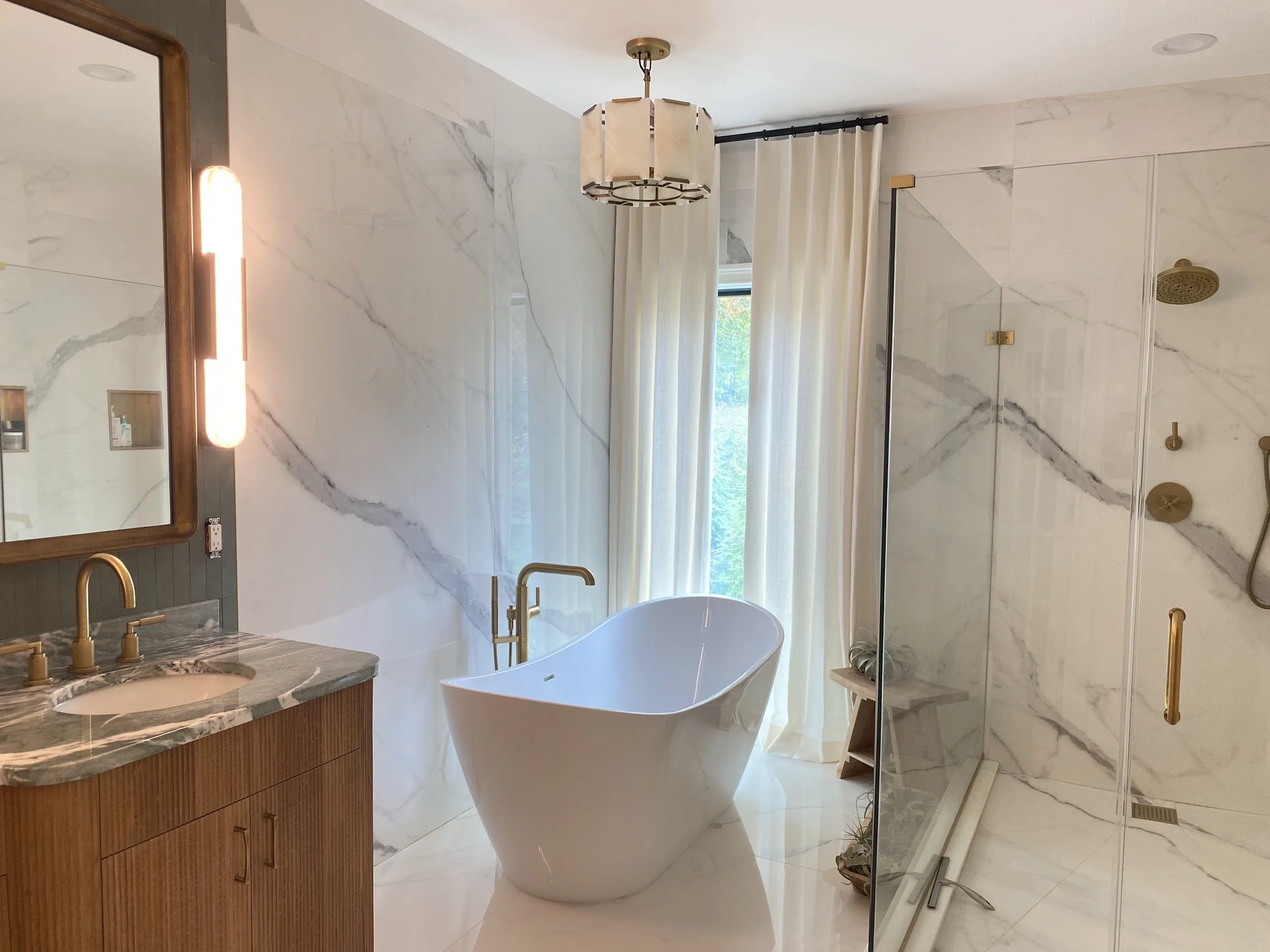
What type of drapery pleat should you use for what interior?
Different interiors call for different pleat styles, from the clean lines of ripplefold drapery to the more tailored structure of pinch pleats. The pleat determines how the fabric hangs, how the drapes stack when open, and how the window treatment complements the architecture of the room
-
![Ripplefold Drapery Pleat]()
Ripplefold Pleat
-
![Modern Drapery Pleat Tack-High 3-Prong]()
Modern Pleat Tack-High 3-Prong
-
![Modern Drapery Pleat Tack-High 2-Prong]()
Modern Pleat Tack-High 2-Prong
-
![Drapery Pinch Pleat 2-Prong Montclair New Jersey]()
Pinch Pleat 2-Prong
-
![Drapery Grommet Pleat]()
Grommet Pleat
-
![Rod Pocket Drapery Pleat]()
Rod Pocket
-
![]()
Wave Pleat



Drapery Pleat Styles

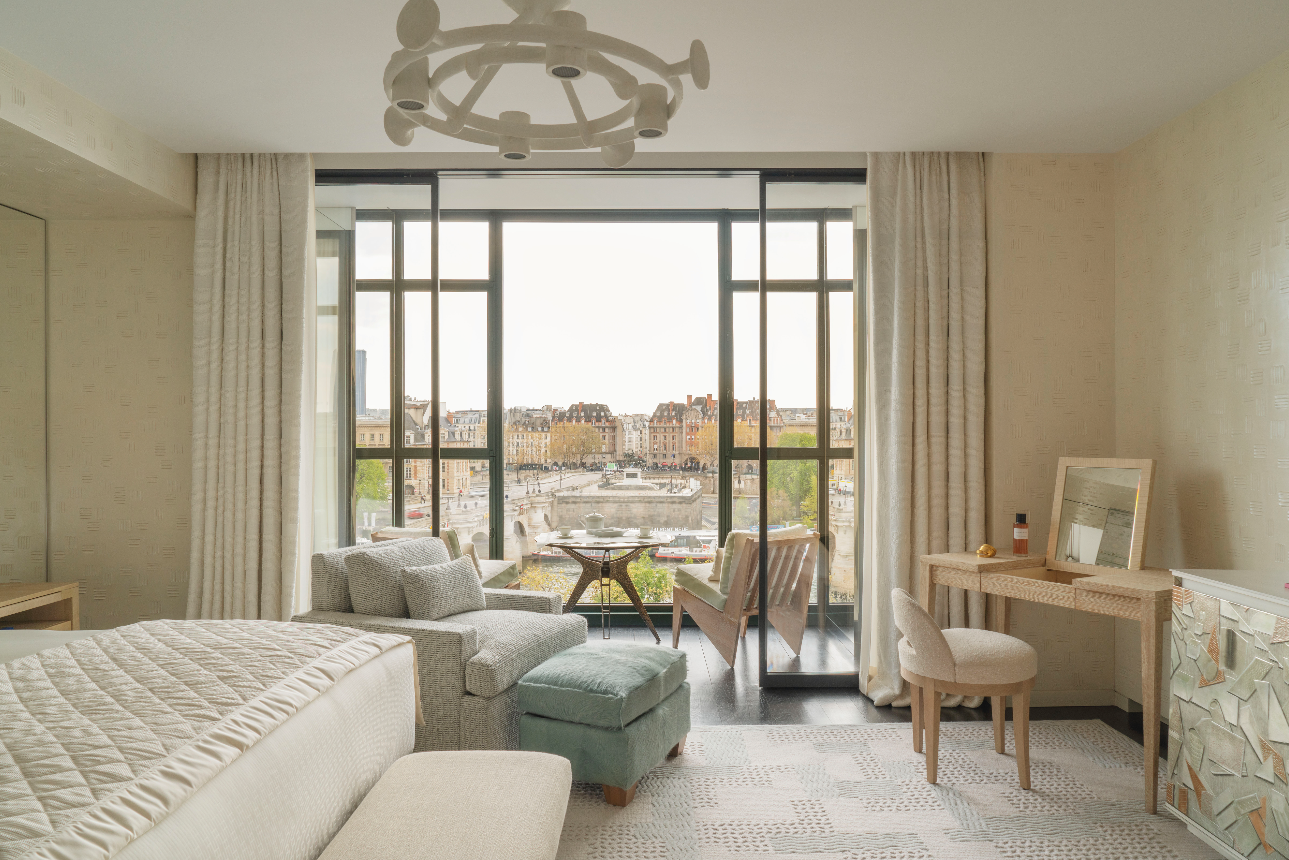
Ripplefold Pleat
Ripplefold drapery creates a continuous wave pattern across the track, producing a clean and architectural look. The fabric flows in uniform folds, making ripplefold an excellent choice for contemporary interiors, large expanses of glass, and minimalist spaces.
Ripplefold systems are also ideal for motorization, as the track system ensures consistent spacing and smooth movement. For patterned fabrics with visible repeats, a wave pleat variation may be preferred so the pattern flows more naturally across the folds

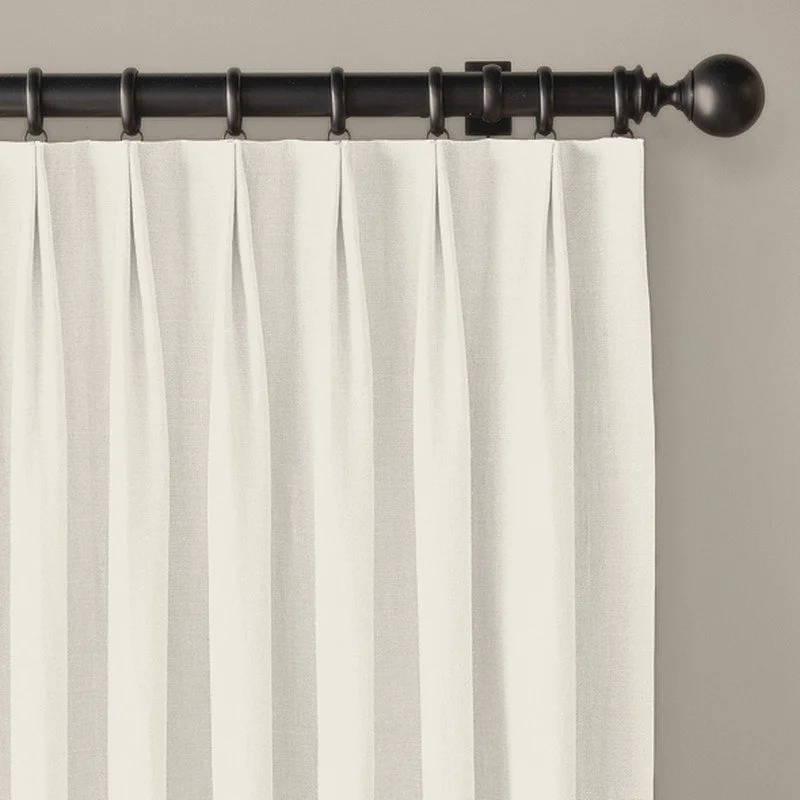
Modern Tack-High 3-Prong Pleat
The modern tack-high pleat offers a refined balance between contemporary and traditional design. The pleats are stitched near the top of the panel, creating a tailored look while maintaining softer folds below. This style works particularly well in transitional interiors where the design blends modern simplicity with classic proportions.
The number of prongs used depends largely on the weight of the fabric. The three-prong pleat works well for lighter fabrics where additional structure helps create fuller folds.
Modern Tack-High 2-Prong Pleat
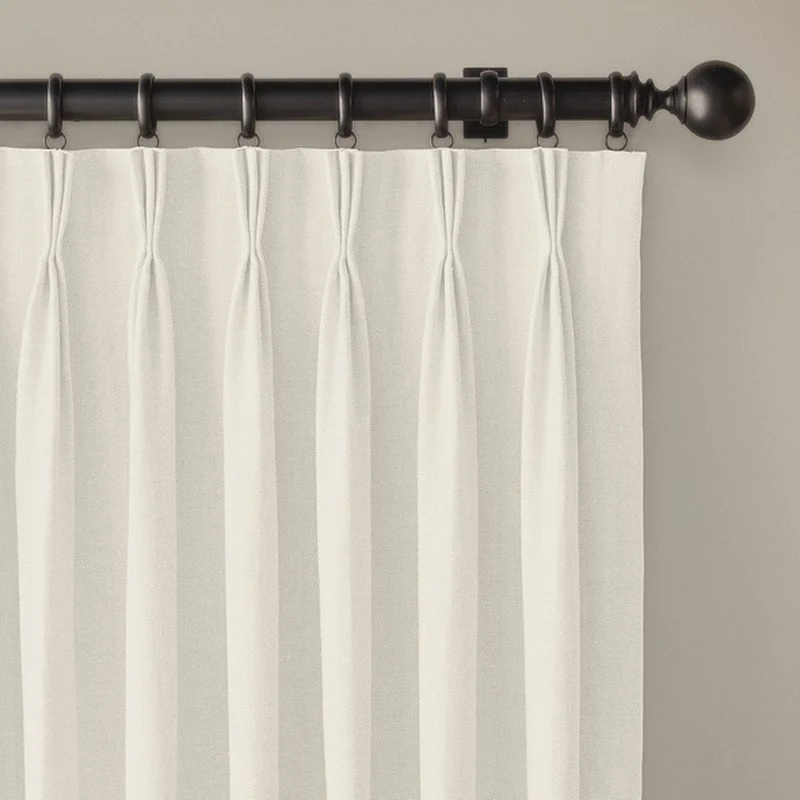
The two-prong tack-high pleat offers a clean and tailored interpretation of modern drapery. Because the pleats are stitched close to the top of the panel, the fabric falls in elongated vertical folds that create a simple, elegant “fluted” appearance.
This construction works particularly well with heavier fabrics such as velvet, wool blends, or thick linens, where the two-prong structure provides enough control to guide the fabric without creating excessive bulk at the header.
Pinch Pleat
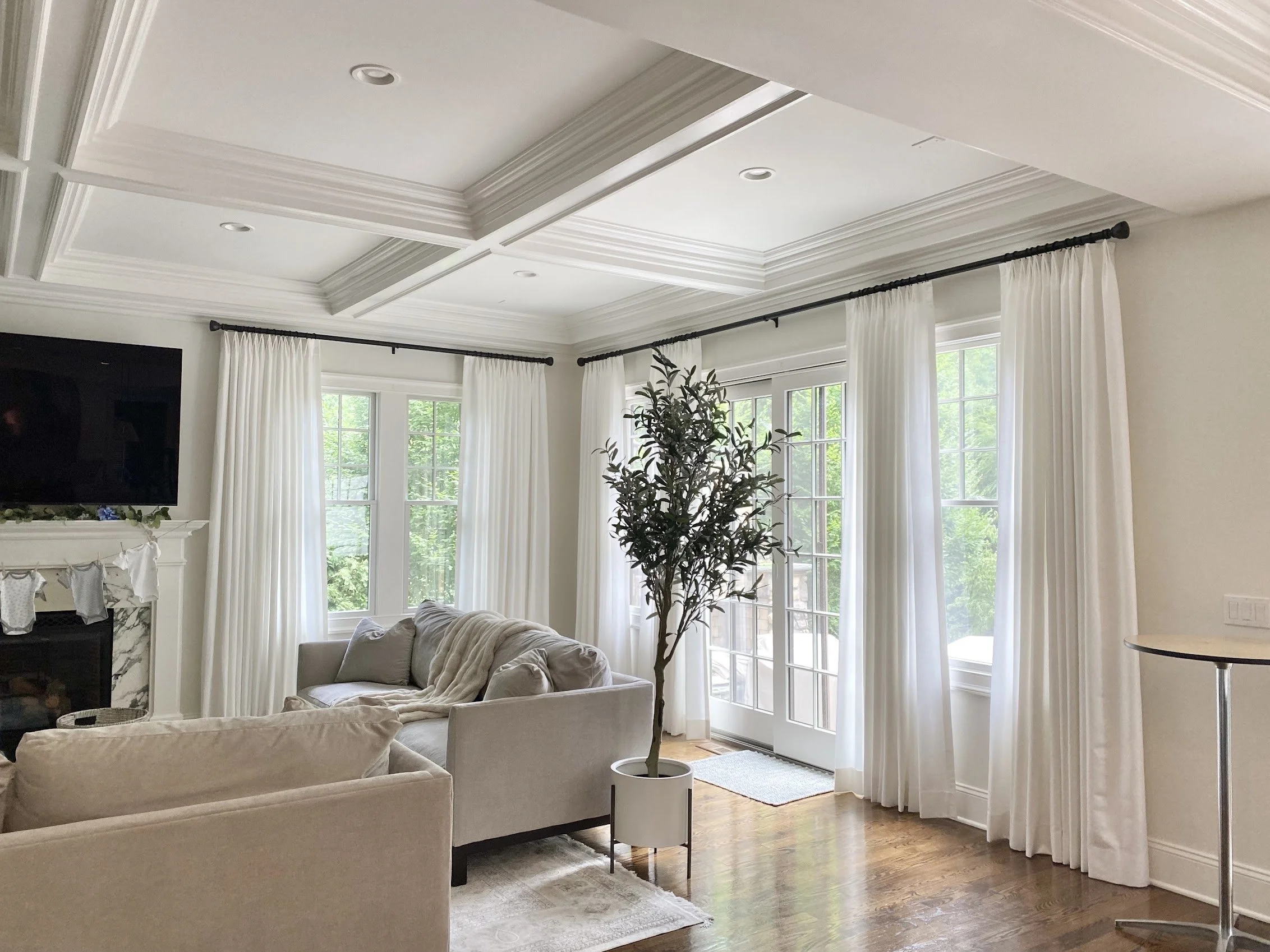
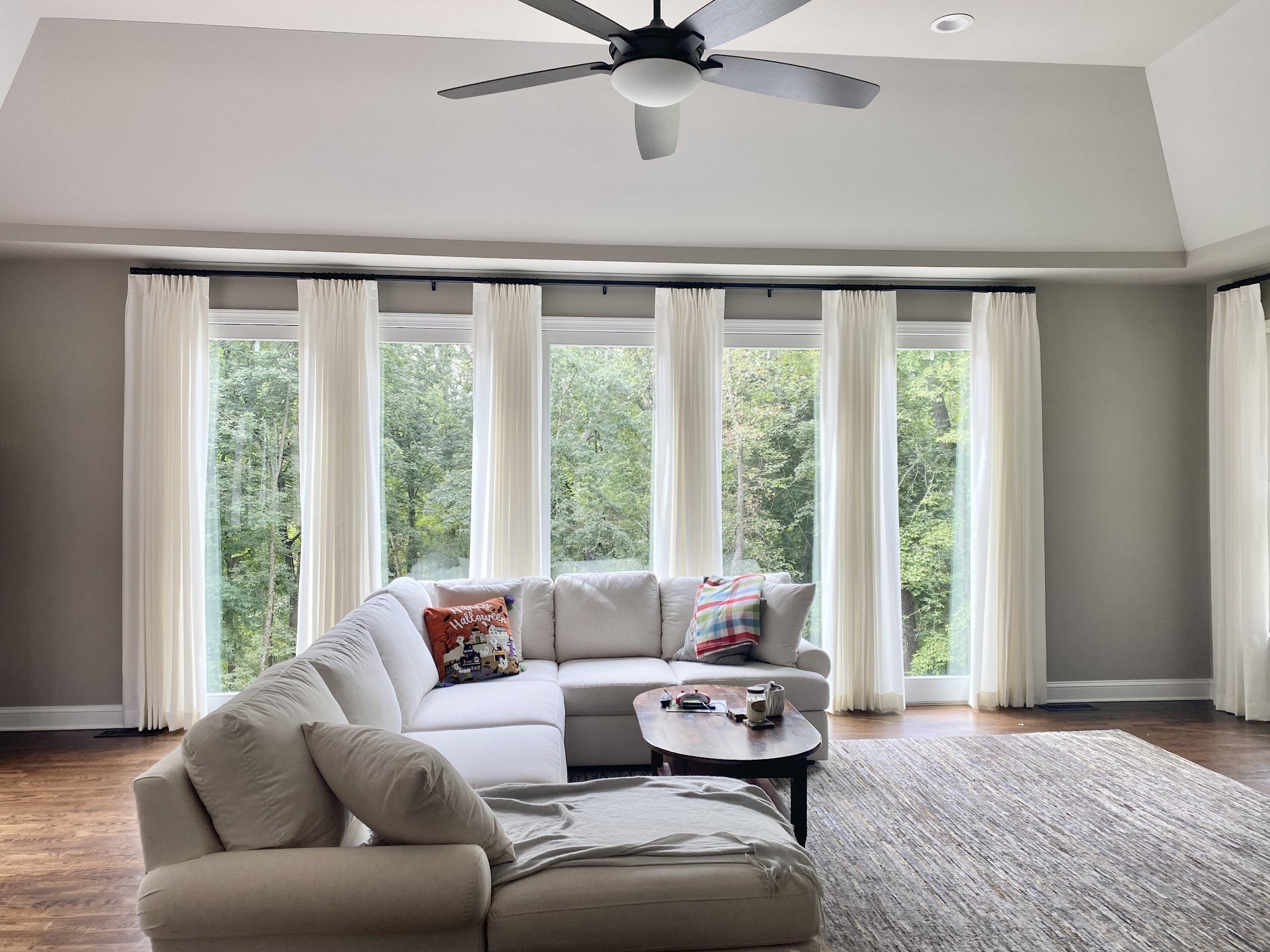
Pinch pleat drapery is one of the most classic and widely recognized drapery styles. The pleats are sewn a few inches below the top of the panel, creating structured folds that cascade elegantly down the length of the fabric.
Pinch pleats are particularly well suited to traditional interiors and formal rooms. They work beautifully with all types of fabrics, including sheers and blackout-lined.
Common variations include:
Two-prong pinch pleat for heavier fabrics
Three-prong pinch pleat for lighter fabrics or when a fuller appearance is desired

Wave Pleat
Wave pleat drapery creates a smooth, continuous wave pattern similar to ripplefold, producing a clean and modern look with evenly spaced folds across the window. This style is particularly well suited for fabrics with a horizontal pattern repeat, as the pleats can be aligned so that a consistent portion of the pattern appears on the front of each fold.
Unlike ripplefold systems, which require a traverse track, wave pleat drapery can also be installed on decorative rods with rings, making it a versatile option when designers want the fluid appearance of ripplefold while still featuring visible hardware.
Rod Pocket
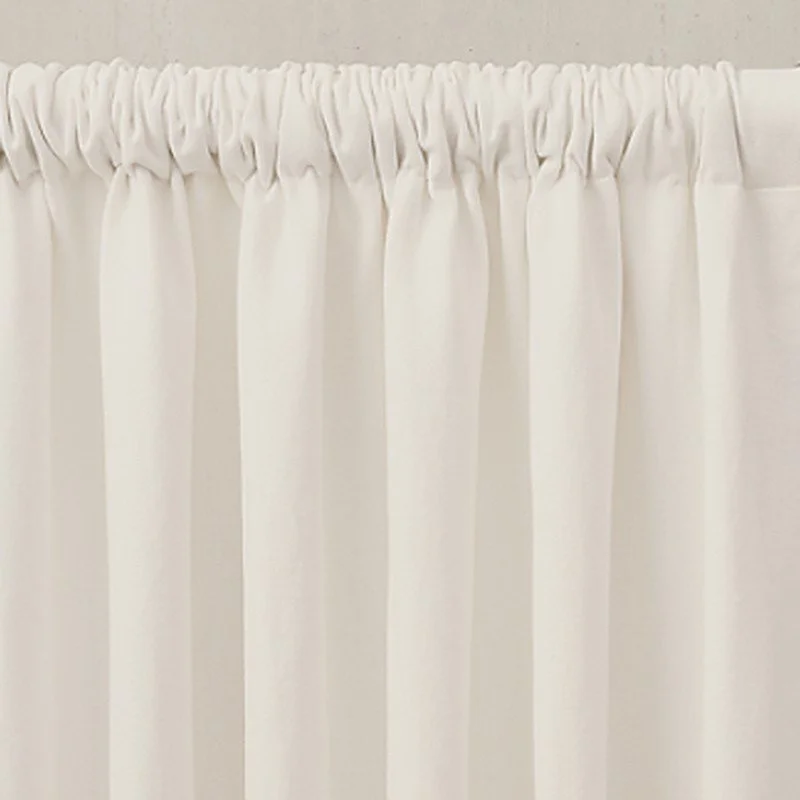
Rod pocket drapery is one of the simplest curtain constructions. The curtain rod slides through a pocket sewn directly into the top of the fabric.
This style creates a soft and relaxed look but is typically less functional for everyday operation because the panels do not slide easily on the rod.
Rod pocket drapery is commonly used for:
decorative side panels
sheers
relaxed or cottage-style interiors
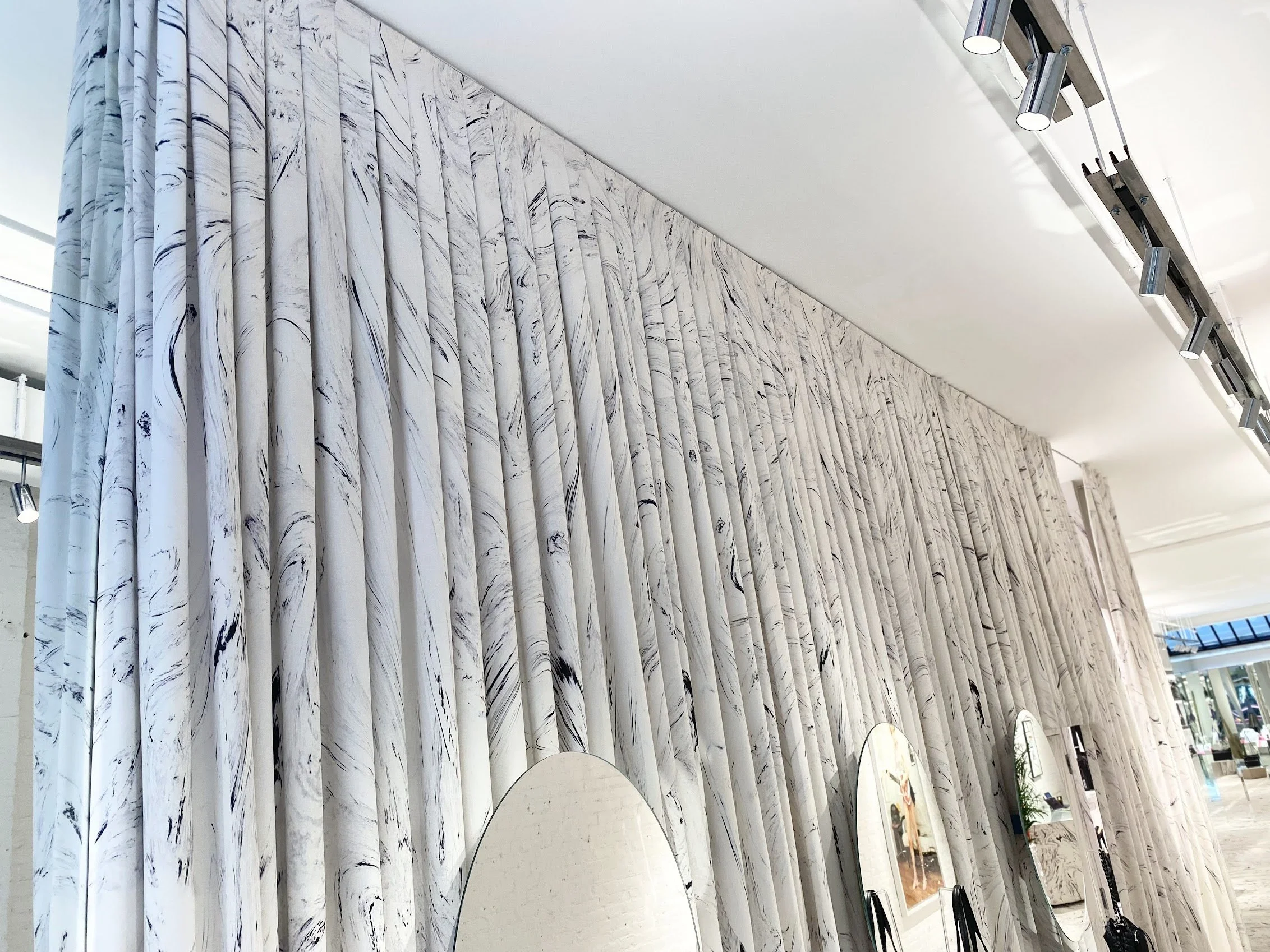
Inverted Pleat (Box Pleat)
Inverted pleats, also known as box pleats, create a very structured and tailored appearance. The pleats are folded toward the back of the panel, producing a flat and architectural look on the front of the drape.
Because the pleats are more structured, this style works particularly well in interiors where clean lines and symmetry are important.
Inverted pleats are used in formal or architectural interiors, spaces where a crisp and tailored appearance is desired.
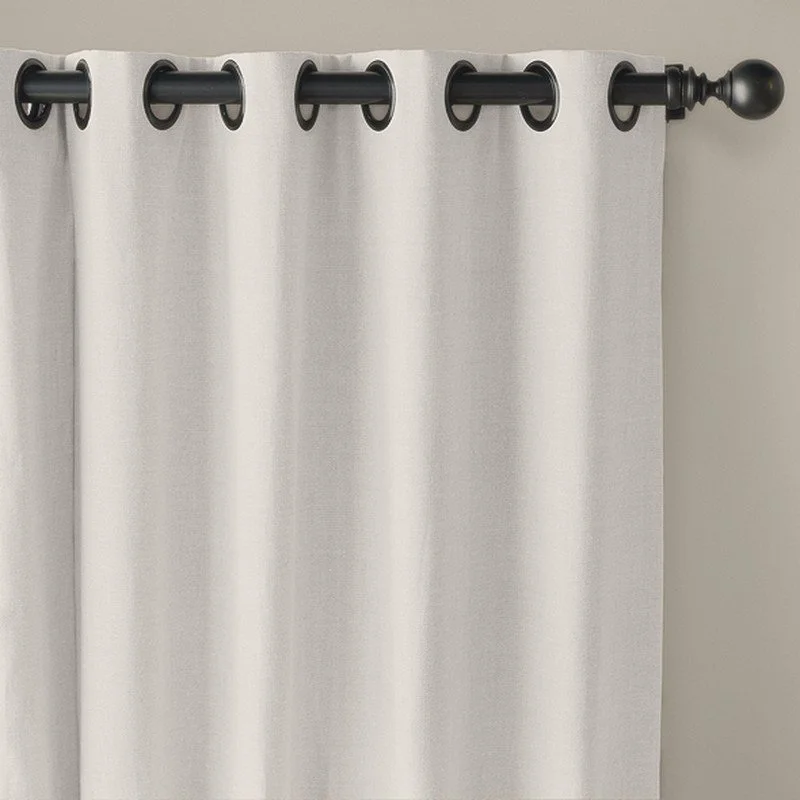
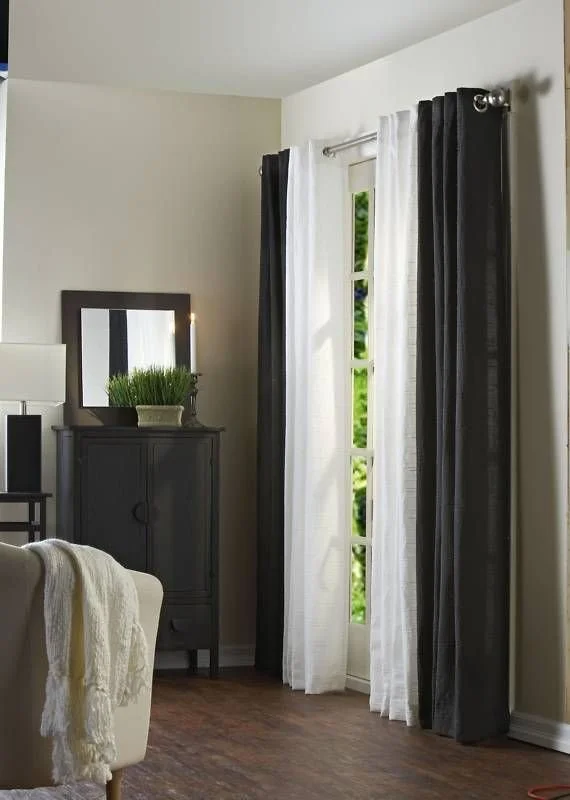
Grommet Pleat
Grommet drapery panels feature metal rings installed at the top of the fabric through which the curtain rod passes. The panels slide easily along the rod and create large, soft folds.
This style is commonly found in rooms with a more casual look and feel. Because the fabric moves directly on the rod, grommet panels are not used with motorized systems.
Grommet drapery is used in:
casual living spaces
contemporary interiors with exposed hardware
decorative rod installations
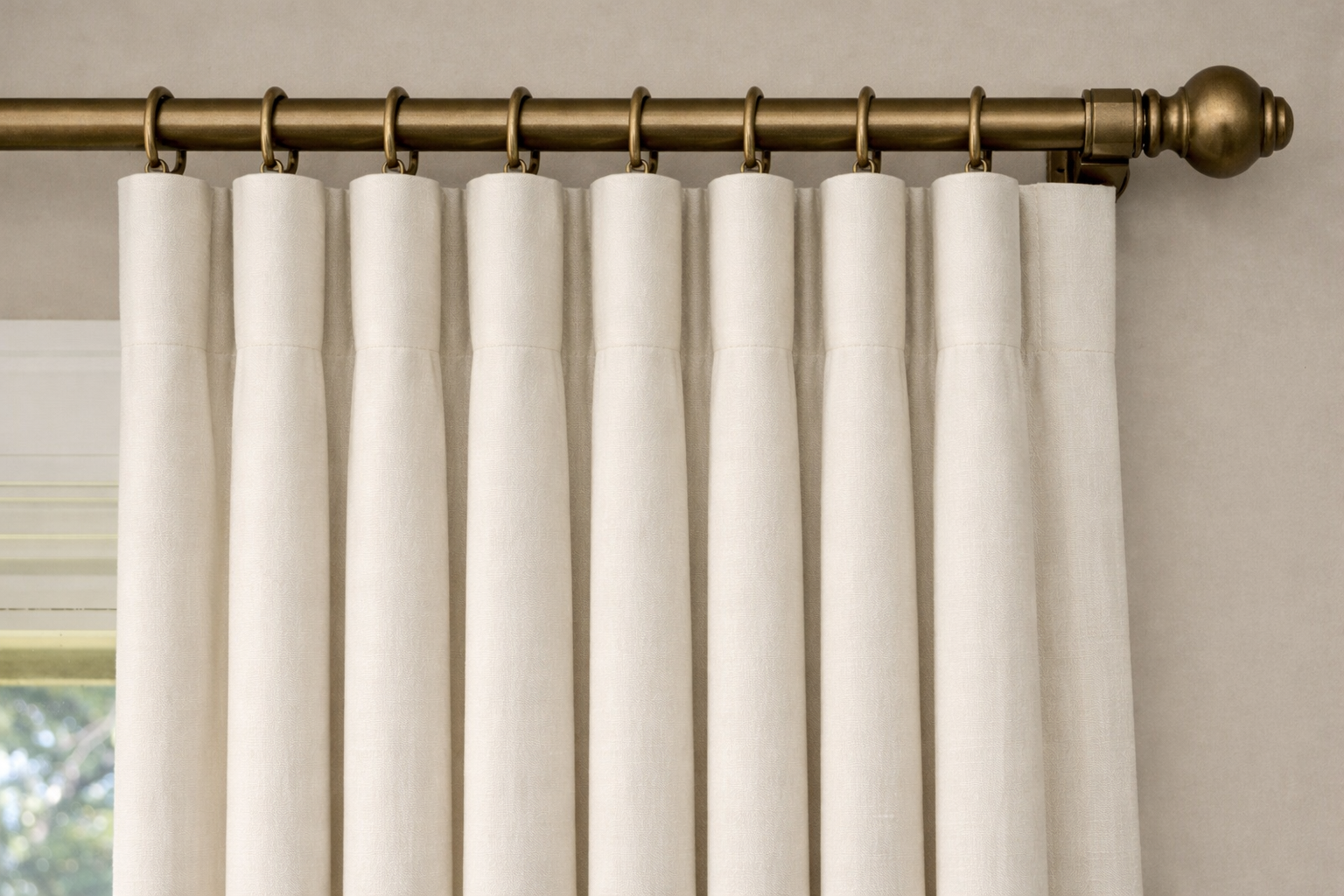
Cartridge Pleat
The cartridge pleat is a structured and elegant pleat style distinguished by its rigid, cylindrical shape, which creates rounded, evenly spaced columns at the top of the drapery panel. This construction gives the header a sculptural and formal appearance, making it particularly well suited to traditional and transitional interiors where architectural detail and refinement are desired.
Because the pleats are carefully formed and often supported with additional stiffening, cartridge pleats are most commonly used for decorative side panels rather than fully functional drapery,
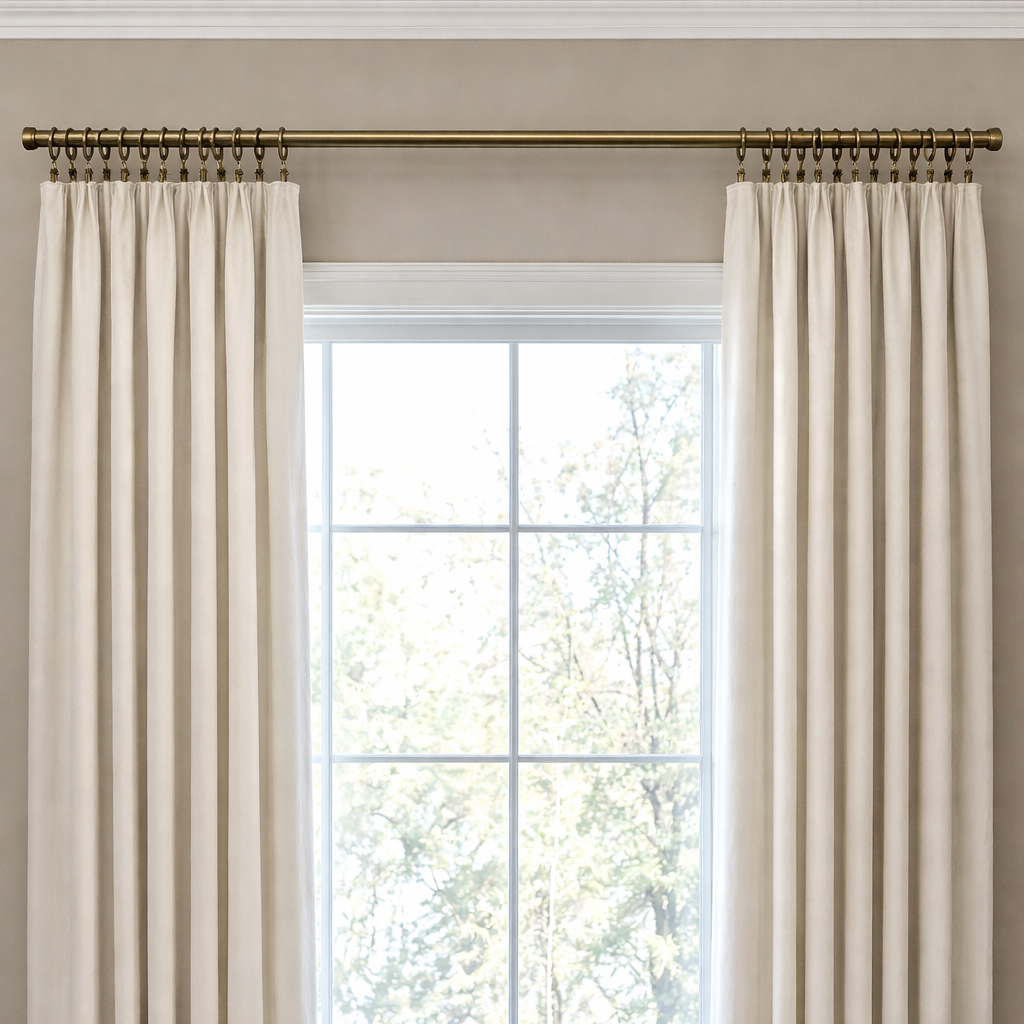
Flat Panels With Rings And Clips
Flat curtain panels hung with rings and clips offer a simple and flexible drapery style that works well in casual or contemporary interiors. The fabric panel remains flat at the top and is attached to decorative rings using small clips spaced evenly across the panel. Typically, two rings with clips are used to form each wave, producing a gentle pleated rhythm across the curtain.
When the drapes are drawn open to the side, the folds stack in a way that closely resembles the look of a wave or ripplefold pleat, This style is particularly well suited to lighter fabrics, for example linens, cotton blends and silk.